
The Value of Small Art: Challenging the "Bigger Is Better" Mindset
In the art world — and life — size often carries an unspoken weight. My professor, Dan Christoffel, once shared a wry observation: "If you don't paint well, paint big." It was a tongue-in-cheek comment about how size can sometimes overshadow skill. At the time, it was directed at another student who was working on large, eye-catching pieces that lacked refinement. In contrast, he praised the thought and detail in my smaller works, encouraging me to embrace quality over scale.
Over the years, I've noticed this idea take root not just in creative circles, but in the way people perceive and value art. Larger works tend to fetch higher prices, while smaller pieces, regardless of their intricacy or the hours poured into them, are often seen as "less."
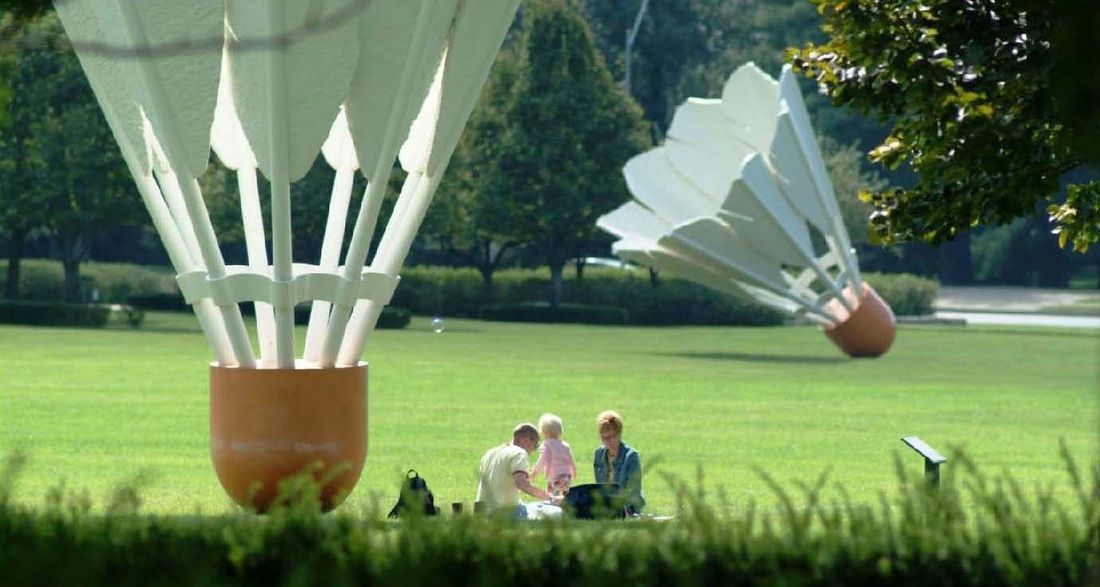
This disparity is curious. Why is "big" perceived as more important, more valuable, or even more meaningful? Perhaps it's societal conditioning: we associate size with grandeur, dominance, and significance. A large painting can cover a wall, command attention, and fill negative space with ease. Similarly, in social settings, the loudest person in the room often draws the crowd, while the quieter, more reflective individuals are overlooked — even if they're the ones truly shaping the conversation.
But just as depth and subtlety in people shouldn't be dismissed, smaller works of art shouldn't be underestimated.
Reevaluating Size and Value
When it comes to art, it's essential to ask: What are we truly valuing? Is it the dimensions of the piece, or the emotion, craftsmanship, and thought embedded within it? As an artist who devotes months to creating intricate 16×20" paintings, I find this question deeply personal. Each brushstroke in my work is deliberate, each detail a reflection of countless hours spent translating an idea from my mind to the canvas. Yet, there's a prevailing notion that my art would be "more impressive" if it were larger.
The logic behind this belief often boils down to the assumption that bigger means better value. A larger canvas uses more materials — paint, brushes, and of course, the canvas itself. But what about the time and care invested in a smaller piece? If two artists each spend 80 hours on a painting, one 16×20" and the other 3×4', why should one be inherently worth more than the other? The value of art cannot — and should not — be measured by its size alone.
This mindset isn't just about money; it's about shifting the way we perceive meaning. A smaller work can have just as much emotional and visual impact as a larger one — if not more. Like a whisper that cuts through the noise, smaller art can demand closer attention, inviting the viewer into an intimate dialogue with the piece.
The Quiet Power of Smaller Works

To challenge the societal misconception that bigger is better, let's consider some analogies that show why less can be more.
1. Fine Dining vs. a Buffet
Picture a plate at a fine dining restaurant. The dish is thoughtfully plated, every detail meticulously prepared, the flavors perfectly balanced. It may not be a towering pile of food, but its presentation and quality justify its price. Now, imagine a buffet. The plates are heaped with food, but the focus is on quantity over quality. While the buffet satisfies, it doesn't linger in your memory the way a beautifully crafted meal does.
Smaller art is like fine dining: it's about thoughtful creation, nuance, and the connection it evokes in those who experience it.
2. A Sonnet vs. a Long-Winded Novel
A perfectly crafted sonnet can say more in 14 lines than a meandering 600-page novel. The brevity demands precision, leaving no room for excess. Similarly, a smaller painting condenses the artist's vision into a compact, impactful statement. It doesn't rely on scale to carry its message — it does so through thoughtfulness and care.
3. A Rare Jewel vs. a Chunk of Ore
A small, brilliantly cut diamond carries immense value, while a large, uncut piece of ore may seem impressive in size but lacks refinement. The diamond's worth lies in the skill and artistry used to shape it, much like a smaller piece of art's value comes from the detail, emotion, and story embedded within it.
These comparisons remind us that it's not the scale but the intention and craftsmanship that define value.
Final Thoughts
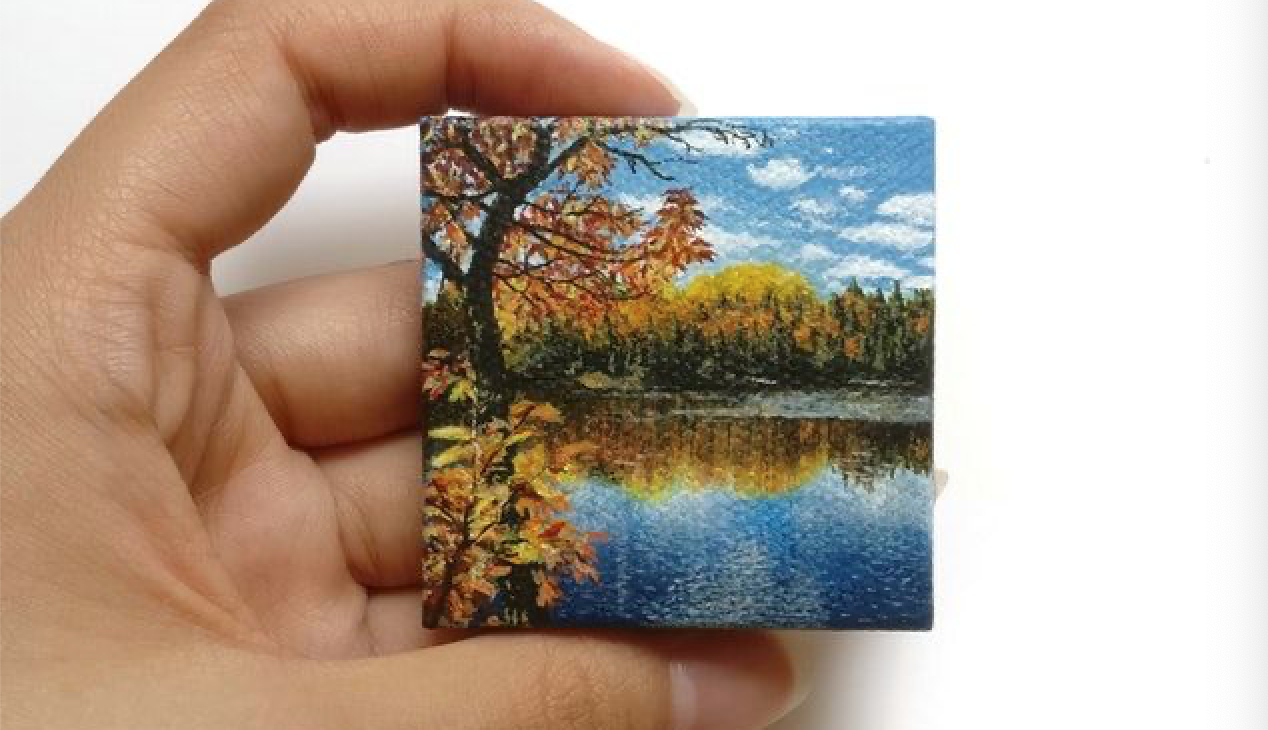
Painting small is a deliberate choice that reflects my commitment to creating art that resonates deeply rather than overwhelms superficially. It's about cultivating a sense of intimacy and craftsmanship, where every brushstroke is intentional, every detail significant. Inspired by masters like Vermeer and Dürer, I embrace the challenge of drawing viewers into a smaller canvas, asking them to pause, engage, and connect. These works hold a quiet power — the ability to evoke wonder, introspection, or comfort without dominating a space. In celebrating the thoughtful over the grand, I hope to challenge the narrative that size defines value and instead highlight the profound impact of art that speaks directly to the soul.
References
Christoffel, D. — danchristoffel.com
The Metropolitan Museum of Art — Johannes Vermeer (1632–1675)
Panero, M., & Zelanski, P. (2012). The Psychology of Scale in Art and Design.